
Home › Sub floor preparation
Sub floor preparation
Lifting old floors, damp membrane, overboarding and latex screed. It is on the side of Marc's van because it is the part of the job that decides how the finished floor looks in five years.
Everything that goes wrong with a floor starts underneath it.
Lippy boards. A dip by the back door. Old bitumen adhesive left on. A screw head standing an inch proud. None of it looks like much when the room is empty, and all of it will show through a new floor.
Vinyl and LVT are a few millimetres thick and they are stuck down, so they take the shape of whatever is under them. Carpet is more forgiving, right up until the underlay bridges a hollow and the pile wears through in a line. This is not a detail Marc adds on. It is the reason his floors sit flat.
What actually happens before a floor goes down.
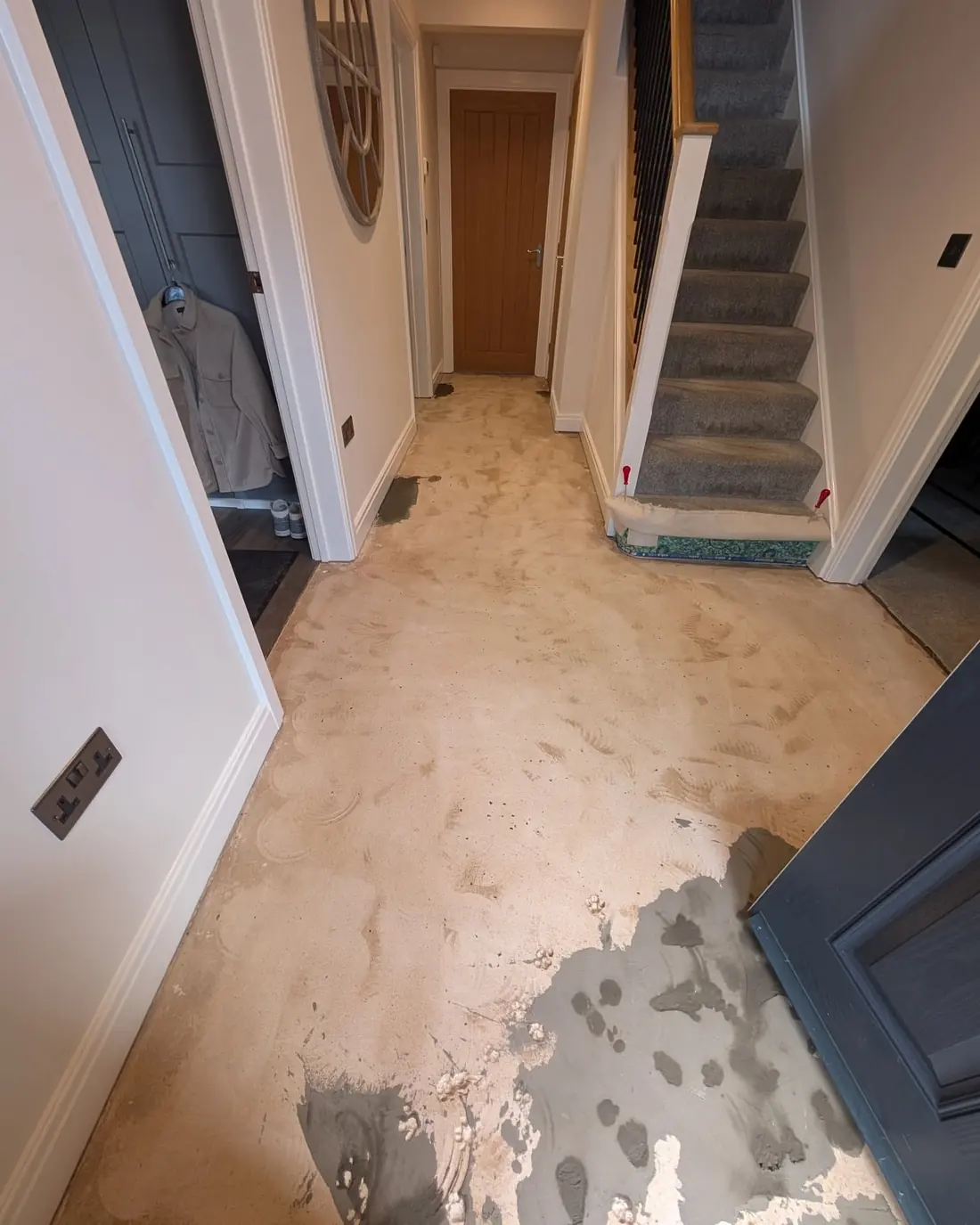
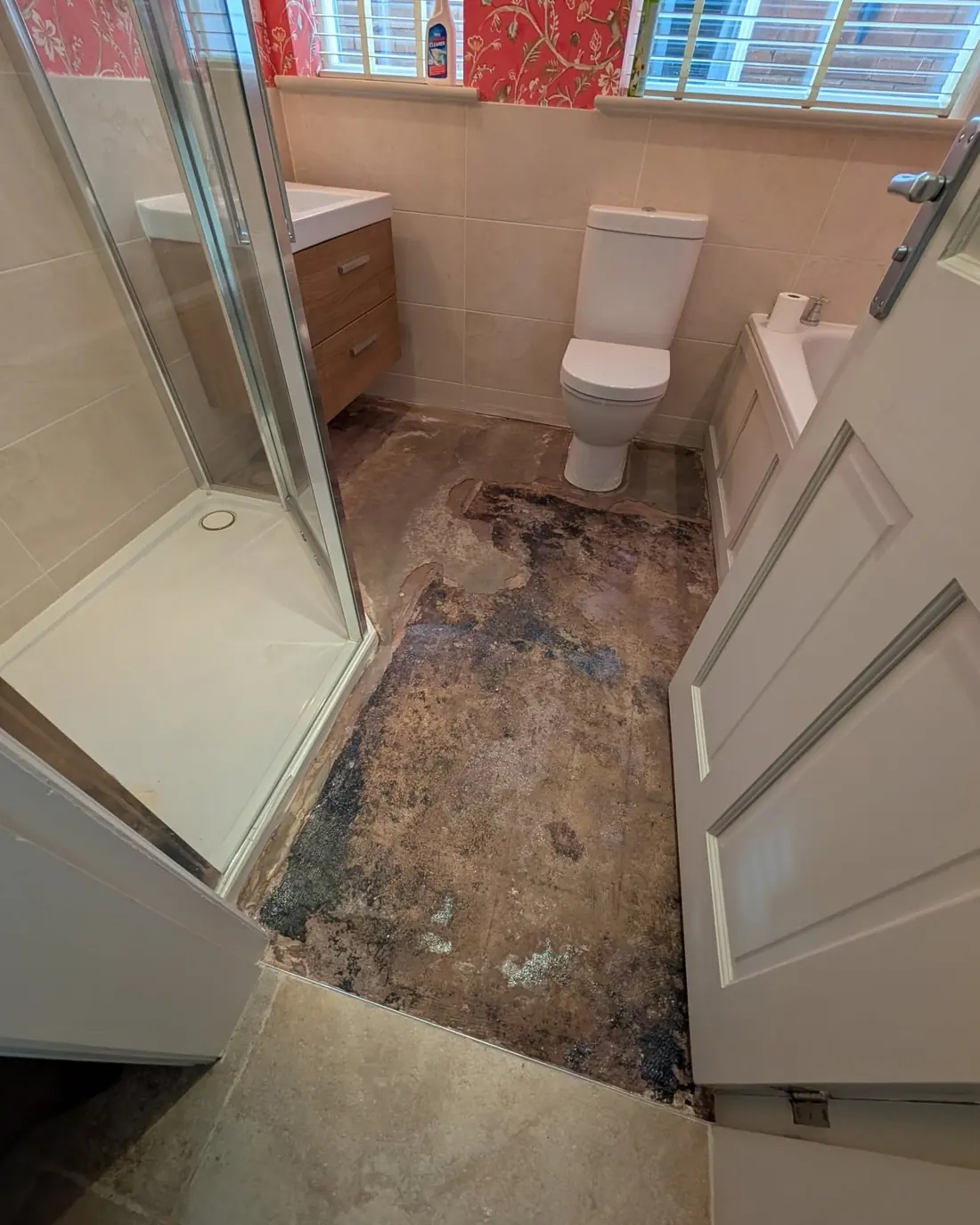
Lift and strip
The old covering comes up and the sub floor gets looked at properly, including whatever adhesive the last fitter left bonded to it.
Check for damp
If the floor has been wet, a new covering will trap it. A membrane goes down where it is needed rather than where it is convenient.
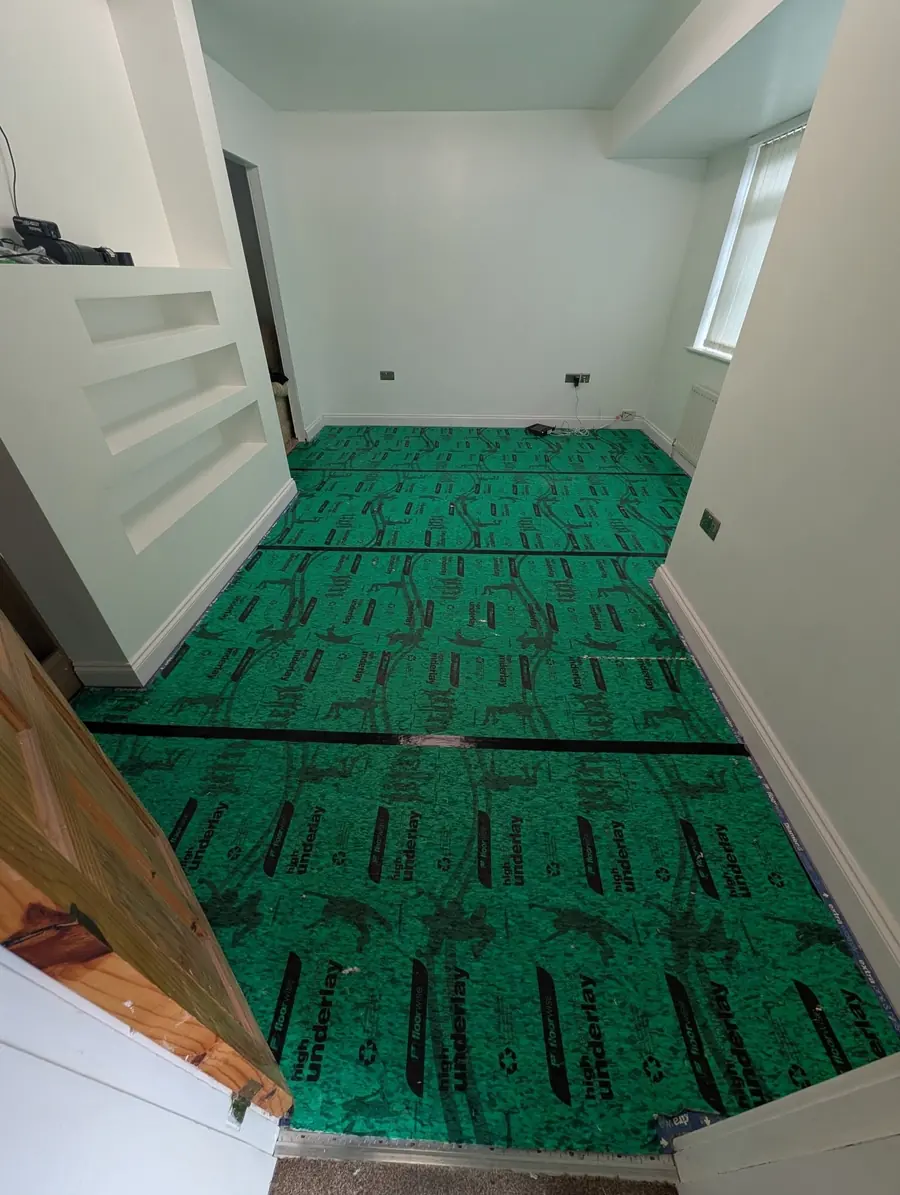
Fix the boards
Loose boards screwed, proud fixings punched down, and overboarding where the timber is too far gone to level.
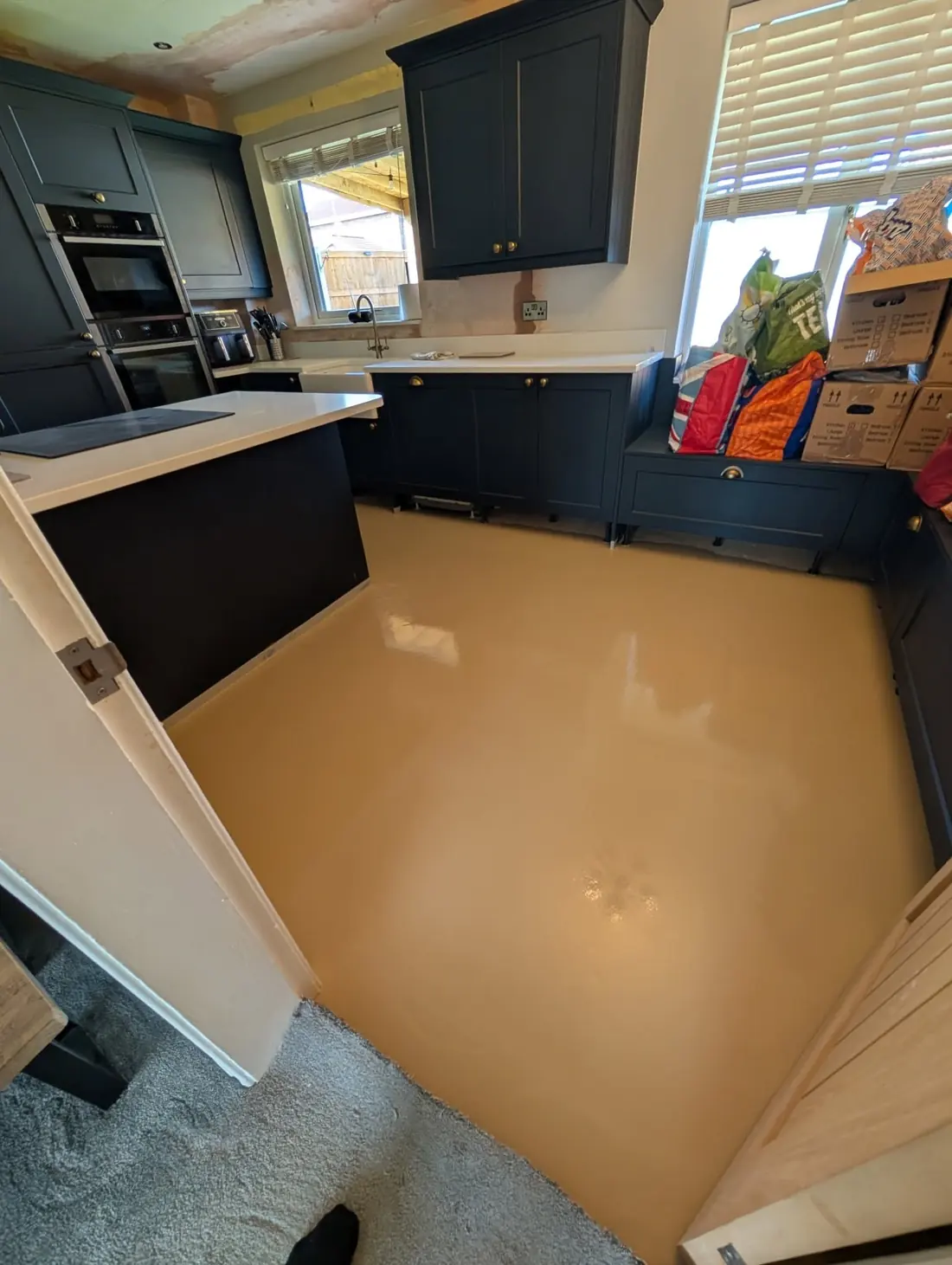
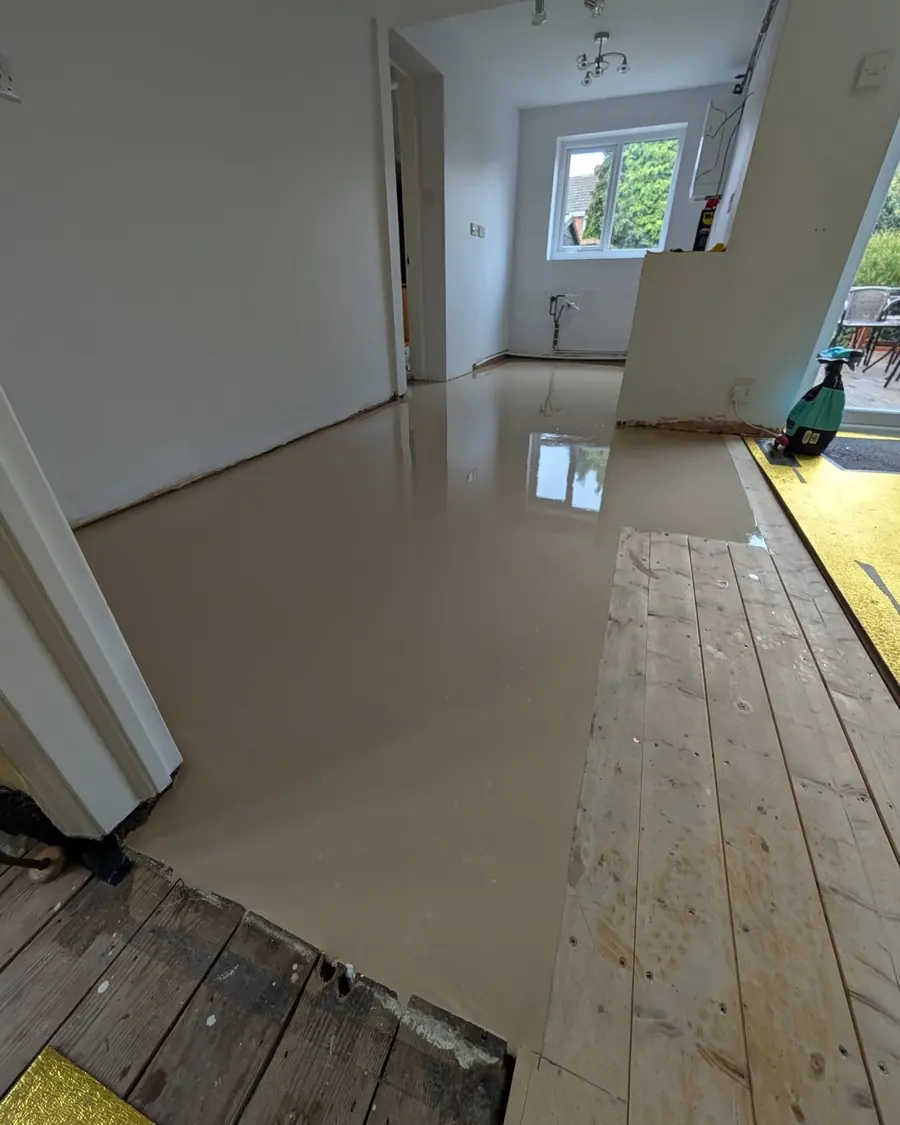
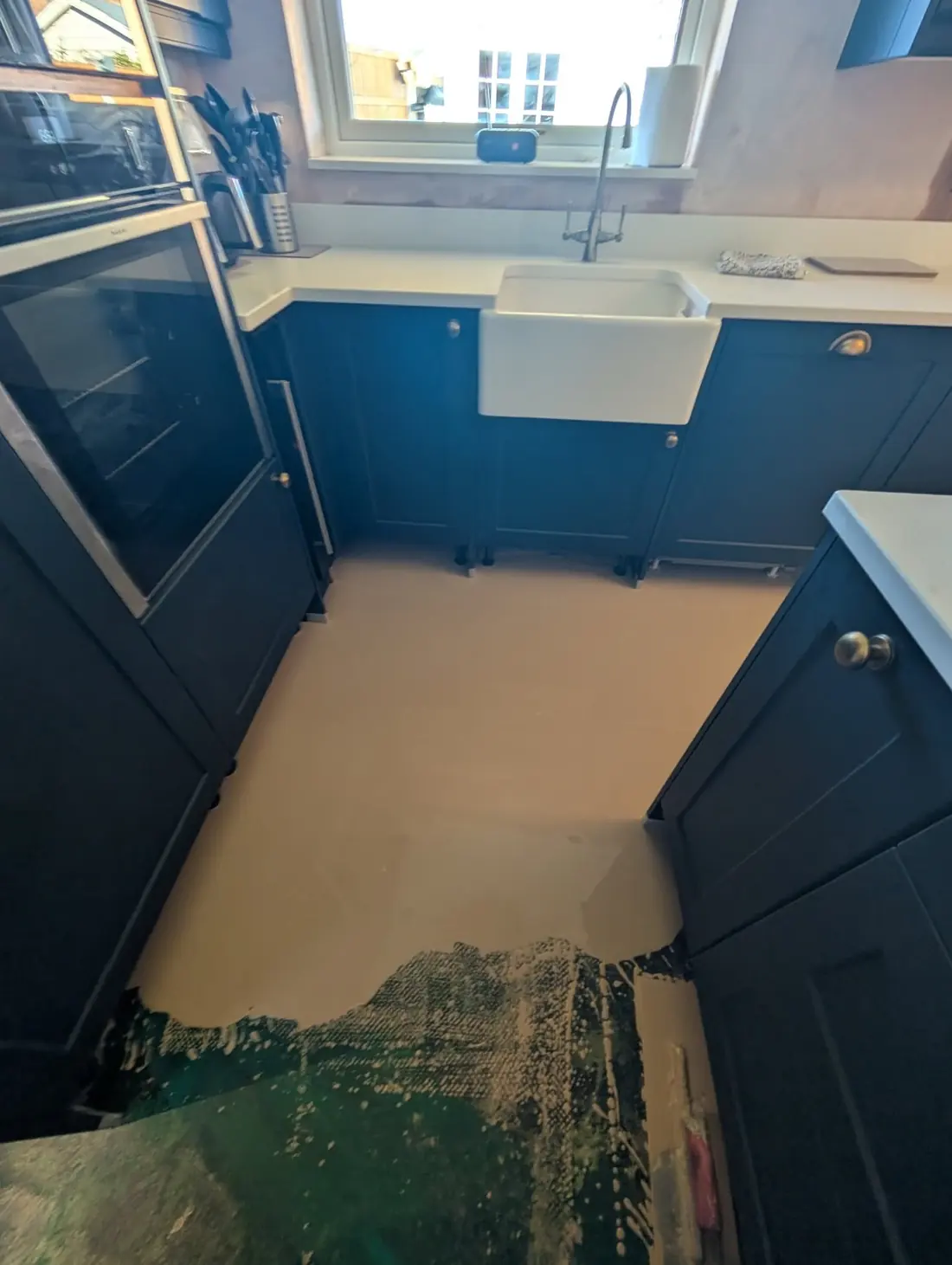
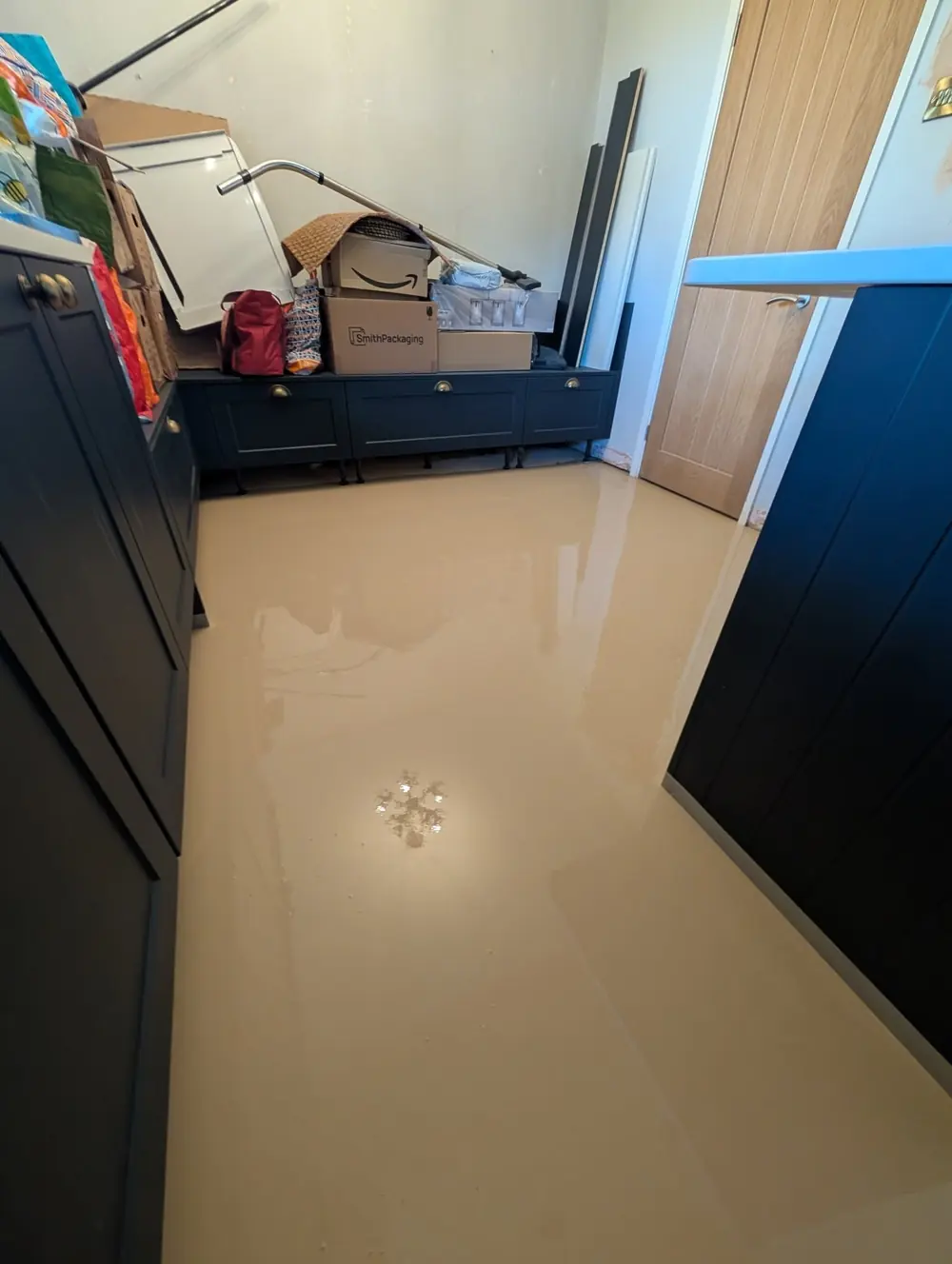
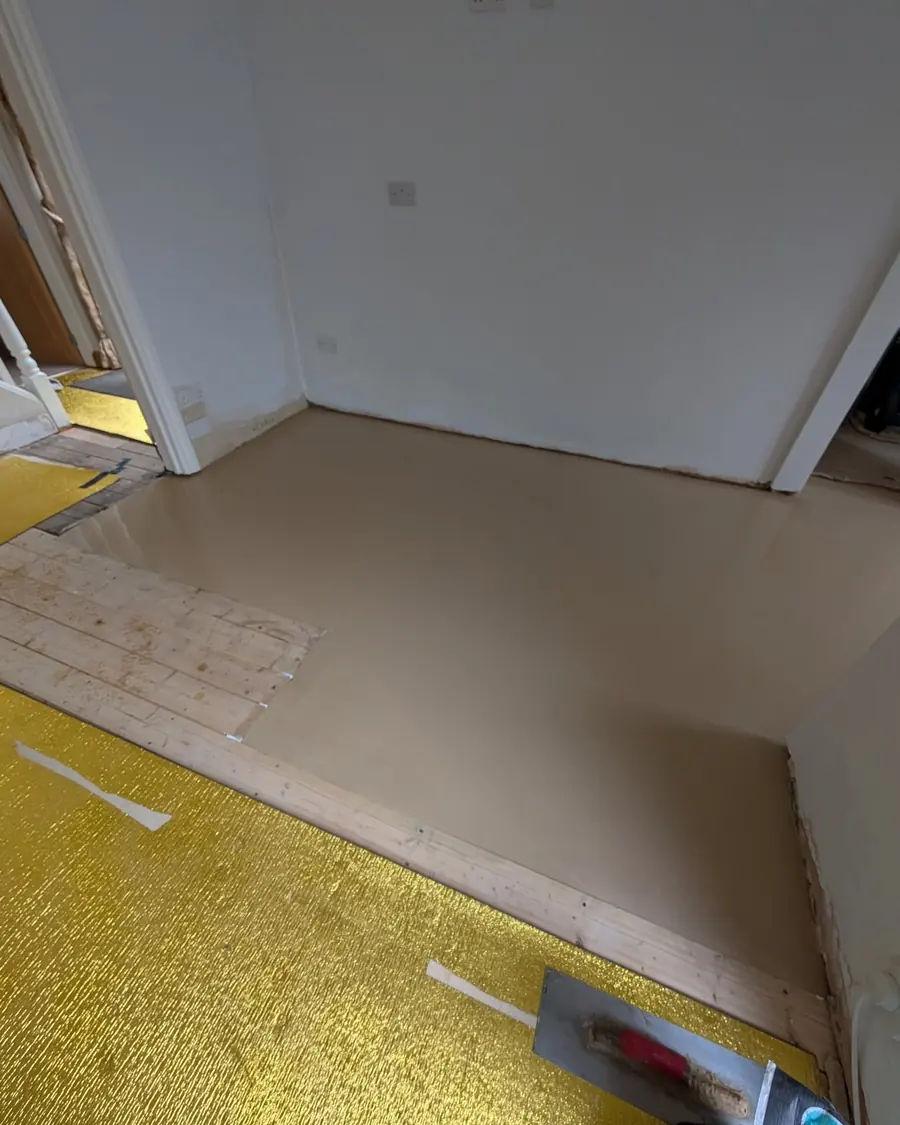
Latex screed
Poured, floated out and left to cure. It fills the dips and gives one flat, sound surface for the new floor to bond to.
Then, and only then, the floor
Set out and fitted onto something that will not move.
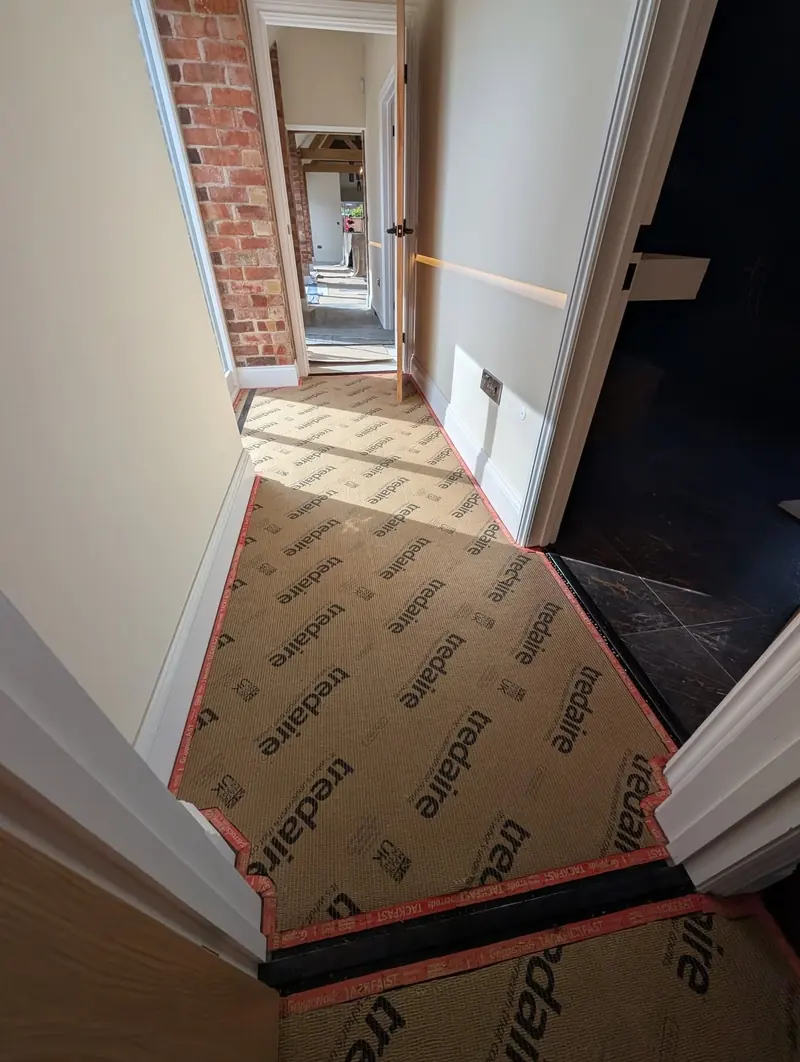
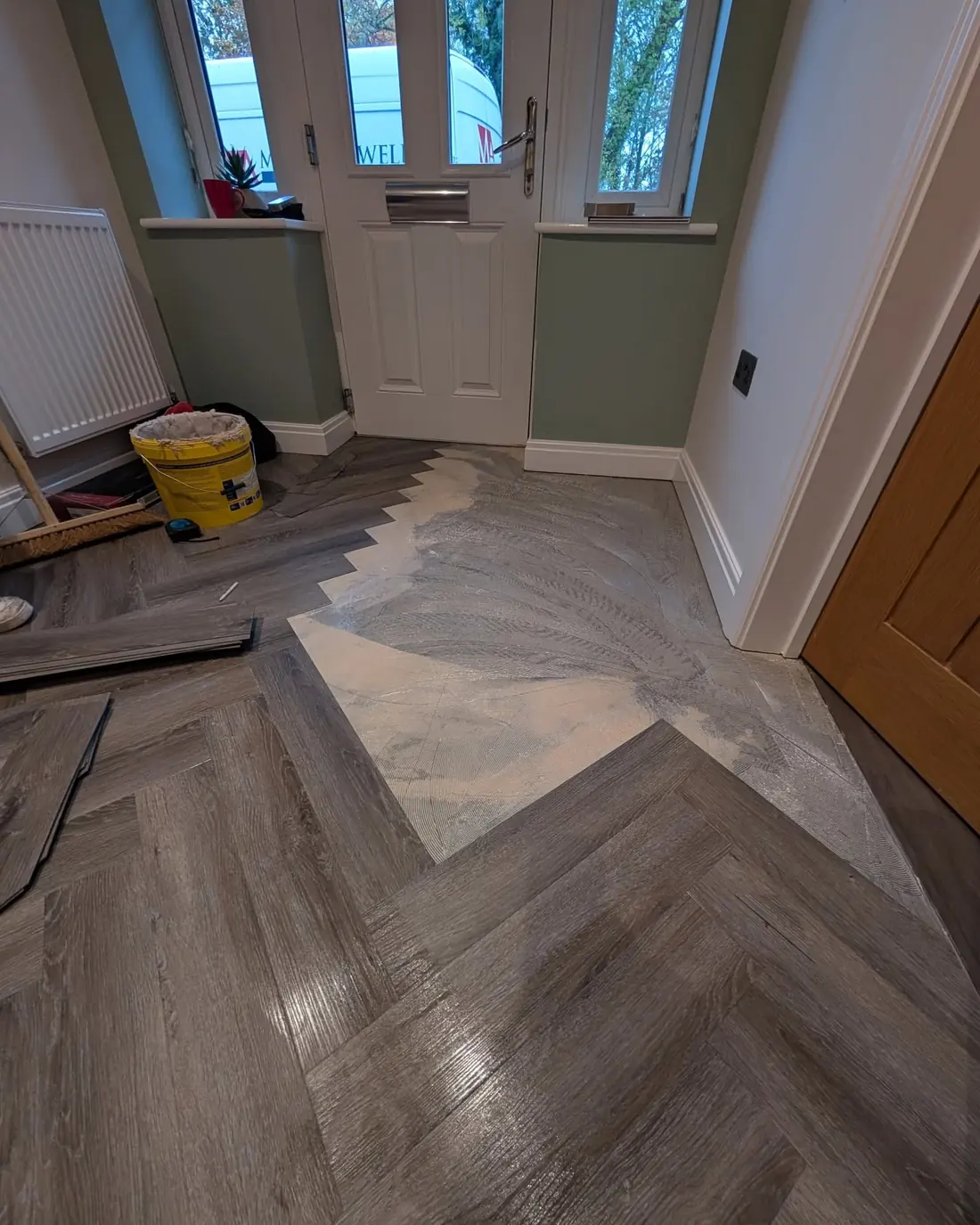
The bit nobody photographs.
These are all from Marc's own jobs. He posts the prep as often as he posts the finished floor, which tells you where he thinks the work is.
Not sure what is under yours?
Nor is anybody until the old floor comes up. Marc will tell you what he can see when he measures, and what it would take to put right, before you commit to anything.